
As the world increasingly pivots toward sustainable energy solutions, the solar home system market is witnessing remarkable growth and innovation. Solar home systems are proving to be a vital component in addressing electricity shortages, particularly in regions where access to grid power remains limited or unreliable. This shift not only supports global environmental goals but also improves quality of life by providing clean, affordable, and dependable electricity to underserved communities.
A leading player in this transformative sector is a professional manufacturer and exporter specializing in solar power systems, energy storage units, solar panels, lithium batteries, gelled batteries, and inverters. This company, which initially established its reputation in the solar street lighting market, has effectively leveraged its expertise to expand into comprehensive solar home solutions that cater to the diverse needs of off-grid and rural populations.
**From Street Lighting to Solar Home Solutions: A Proven Track Record**
Starting from humble beginnings focused on street lighting poles and solar street lights, the company built a solid foundation in solar energy technology and deployment. Solar street lights are critical in improving safety and accessibility on roads in many countries where nighttime darkness is a significant challenge due to insufficient electricity infrastructure. By successfully penetrating this niche, the company gained valuable insight into solar technology applications, durable design, and system integration—all essential elements for creating reliable solar home systems.
Recognizing the demand for energy solutions beyond public infrastructure, the company diversified its offerings to include residential solar systems that empower households to generate and store their own electricity. This evolution aligns with global efforts to promote decentralized energy generation, allowing remote or economically disadvantaged communities to bypass limited grid access and governmental delays.
**The Role of Solar Home Systems in Bridging the Energy Gap**
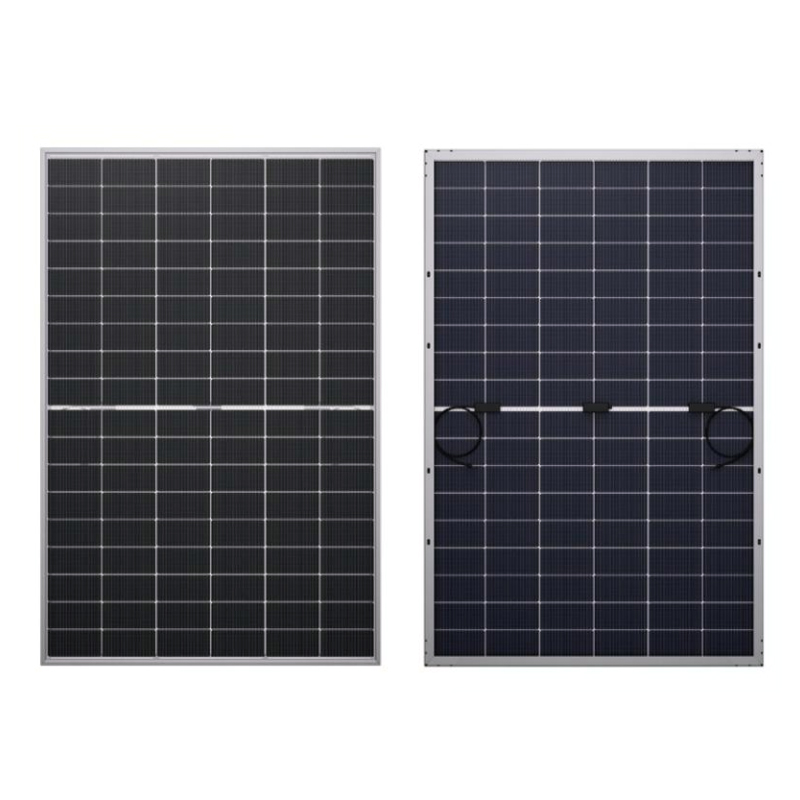
Millions across the globe still live without reliable electricity, hindering education, healthcare, economic development, and overall social welfare. Solar home systems are positioned to bridge this gap by delivering standalone, scalable, and affordable energy solutions. These systems typically consist of solar panels, lithium or gelled batteries for energy storage, and inverters to convert solar-generated DC power into usable AC power for household appliances.
Affordable solar home systems enable access to lighting, phone charging, radio, television, and small household appliances, unlocking opportunities for education after dark, improved communication, and increased productivity. Moreover, by replacing kerosene lamps and diesel generators, solar home systems reduce indoor air pollution and greenhouse gas emissions, promoting healthier living environments and contributing to climate change mitigation.
**Innovations and Product Offerings Driving Market Growth**
To meet varied energy demands, the showcased company provides an extensive product lineup tailored for diverse environments and user needs. Their solar panels are designed for high efficiency and durability, ensuring sustained energy generation even in harsh weather conditions. The lithium and gelled batteries supplied offer reliable energy storage, supporting overnight and low-sunlight use. Additionally, advanced inverters optimize power use, ensuring devices operate safely and efficiently.
By exporting these integrated systems internationally, the company supports sustainable energy adoption in countries lacking stable electricity grids. Strategic partnerships worldwide facilitate local distribution and after-sales services, critical factors that enhance system longevity and customer satisfaction.
**Impact on Communities and the Environment**
The deployment of solar home systems fosters socioeconomic development by enabling extended study hours for students, better healthcare through powered clinics, and improved business operations. Women and children, who often bear the brunt of energy scarcity, particularly benefit from safer, smoke-free lighting and reduced time spent on fuel collection.
Environmentally, solar power offsets reliance on fossil fuels, contributing to cleaner air and reduced global carbon emissions. As countries commit to renewable energy targets, solar home systems are a cost-effective measure that complements large-scale solar farms and other clean energy initiatives.
**Challenges and Future Prospects**
Despite the promising outlook, challenges remain in achieving universal access to solar home systems. Upfront costs can be prohibitive for low-income families, necessitating innovative financing models such as pay-as-you-go schemes and microloans. Ensuring system maintenance and user education in remote areas also requires sustained effort and collaboration.
Nevertheless, technological advancements continue to lower costs and improve system efficiency, making solar home solutions increasingly accessible. Governments, NGOs, and private enterprises are increasingly recognizing the potential of decentralized solar systems to achieve electrification goals aligned with the United Nations Sustainable Development Goals.
**Conclusion**
The evolution from solar street lighting to comprehensive solar home systems exemplifies the dynamic growth within the renewable energy sector. By offering high-quality solar power and energy storage solutions, manufacturers and exporters in this space are instrumental in transforming energy access for millions globally.
As more households embrace clean, reliable solar energy, the benefits extend beyond individual homes to entire communities and the planet. Continued innovation, investment, and collaboration will be essential to scaling these solutions and ensuring a greener, more equitable energy future for all.