
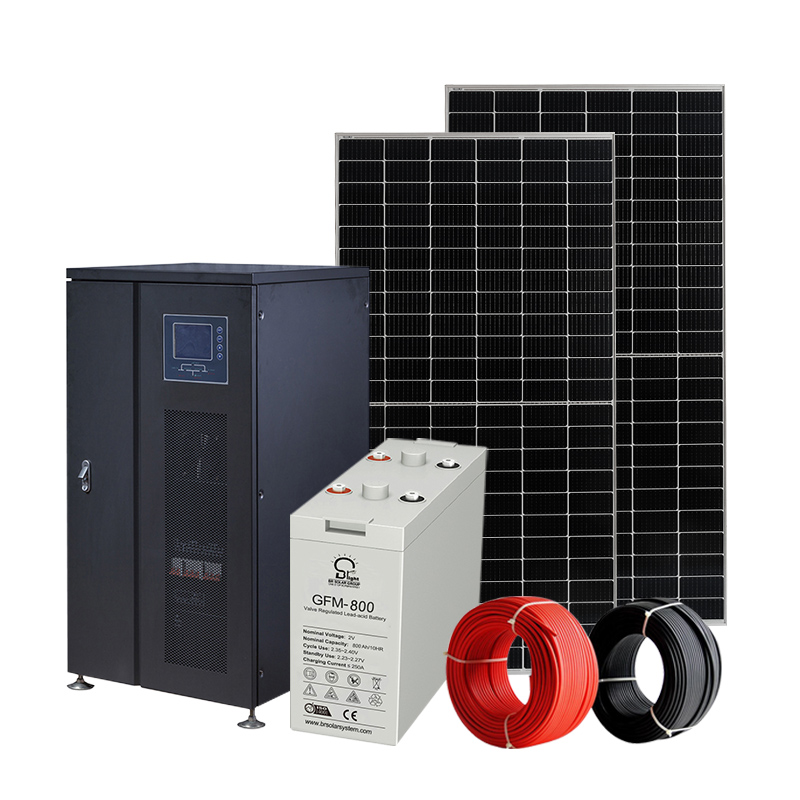
As the global demand for clean and sustainable energy grows, solar power continues to lead the charge in renewable energy solutions. Solar modules, commonly known as solar panels, are at the heart of this revolution, converting sunlight into usable electricity for residential, commercial, and industrial applications. Understanding the different types of solar modules available in the market is essential for consumers, businesses, and policymakers aiming to harness solar energy efficiently.
**Introduction to Solar Modules**
Solar modules are assemblies of solar cells designed to capture sunlight and transform it into electrical energy via the photovoltaic effect. They come in various types based on the material and technology used in their cells, each with unique features, efficiencies, and price ranges. Selecting the right type of solar module depends on specific project requirements such as space availability, budget, and desired energy output.
**Types of Solar Modules**
1. **Monocrystalline Solar Modules**
Monocrystalline solar modules are made from a single crystal structure, usually silicon, which gives them a uniform dark appearance. They are known for their high efficiency rates, typically ranging from 15% to 22%, due to the purity of the silicon used. These panels perform well in low-light conditions and have a long lifespan, often exceeding 25 years.
Pros:
- High efficiency and power output
- Space-efficient due to higher power density
- Long durability and reliability
Cons:
- Higher cost compared to other types
- Manufacturing process generates more waste silicon
Monocrystalline panels are often preferred for residential rooftops or locations where space is limited but maximum efficiency is desired.
2. **Polycrystalline (Multicrystalline) Solar Modules**
Polycrystalline solar modules are produced by melting multiple silicon fragments together. This process results in the characteristic speckled blue color seen on these panels. Although generally less efficient than monocrystalline panels, usually around 13% to 17%, polycrystalline panels offer a cost-effective solution for large-scale solar installations.
Pros:
- Lower manufacturing costs
- Moderate efficiency suitable for sizable installations
- Less waste produced during manufacturing
Cons:
- Lower efficiency compared to monocrystalline panels
- Slightly less aesthetically pleasing to some due to multi-crystal appearance
Polycrystalline panels are widely used in commercial solar farms and residential systems where budget constraints exist and space is more abundant.
3. **Thin-Film Solar Modules**
Thin-film solar modules utilize a variety of semiconductor materials, such as cadmium telluride (CdTe), amorphous silicon (a-Si), and copper indium gallium selenide (CIGS), deposited as thin layers on glass, plastic, or metal substrates. This technology allows for flexible, lightweight panels that can be integrated into building materials or other unconventional surfaces.
Pros:
- Lightweight and flexible, suitable for innovative installations
- Lower manufacturing costs due to less material usage
- Better performance in high temperatures and shading
Cons:
- Generally lower efficiency (around 10% to 12%)
- Larger surface area required to generate equivalent power
- Shorter lifespan compared to crystalline panels
Thin-film modules are ideal for applications requiring flexibility, such as solar-powered street lights, portable solar chargers, and building-integrated photovoltaics (BIPV).
4. **Bifacial Solar Modules**
Bifacial solar modules capture sunlight from both the front and rear sides of the panel, increasing the total energy generation. These panels typically use monocrystalline or polycrystalline cells with a transparent backsheet or glass.
Pros:
- Up to 15% more energy output by utilizing reflected light
- Enhanced durability with dual glass designs
- Increasingly popular in commercial and utility-scale solar farms
Cons:
- Higher upfront cost
- Requires installation in a location with reflective surfaces
Bifacial modules are gaining traction in large solar farms and new urban solar projects where maximizing electricity generation is crucial.
---
**The Role of Solar Modules in Addressing Global Energy Challenges**
Many regions around the world still face significant electricity shortages, especially in rural and remote areas where conventional grid expansion is unfeasible. Solar power systems equipped with appropriate solar modules provide an effective solution to alleviate these energy deficits.
Solar street lighting, for instance, has emerged as a practical application of solar technology, enabling safer and brighter roads during nighttime without reliance on grid electricity. These systems typically combine solar modules, energy storage (such as lithium or gelled batteries), and intelligent inverters to ensure reliable operation.
A professional company in the solar industry underscores this connection by highlighting their journey beginning with street lighting poles and expanding into comprehensive solar power systems. Their expertise spans the manufacturing and export of solar panels, energy storage systems, lithium batteries, gelled batteries, and inverters. By catering to diverse energy needs worldwide, such companies help bring sustainable lighting and power solutions to regions grappling with power scarcity.
---
**Conclusion**
Choosing the right type of solar module plays a pivotal role in optimizing solar power projects. From the high efficiency of monocrystalline panels to the cost-effective polycrystalline solutions, the flexible thin-film options, and the innovative bifacial modules, each type serves distinct functions suited to varied applications.
As companies continue to innovate and improve solar module technologies, and as international efforts to combat energy poverty intensify, solar power is poised to light up more streets, homes, and businesses globally. Embracing the right solar modules not only contributes to a cleaner environment but also helps build a more equitable energy future for all.
---
**About the Industry**
The solar industry continues to expand rapidly, driven by advancements in photovoltaic technology and increased awareness of climate change impacts. Companies involved in solar power systems are essential players in this transformation, providing integrated solutions that include solar panels, energy storage, and power conversion technologies.
By focusing on quality manufacturing, export capabilities, and comprehensive expertise, these companies enable access to reliable, efficient, and affordable solar energy worldwide. Their evolving product lines support a wide range of applications—from street lighting that improves safety and community well-being to large-scale solar farms that supply clean energy to national grids.
Renewable energy advocates see solar power not just as an alternative source but as a cornerstone of future energy systems, underscoring the importance of understanding solar module types and their practical applications.
---
Solar energy is not just a technological solution but a pathway to social empowerment, environmental preservation, and sustainable development. Exploring the types and benefits of solar modules helps pave the way for smarter, cleaner, and more resilient energy infrastructure worldwide.