
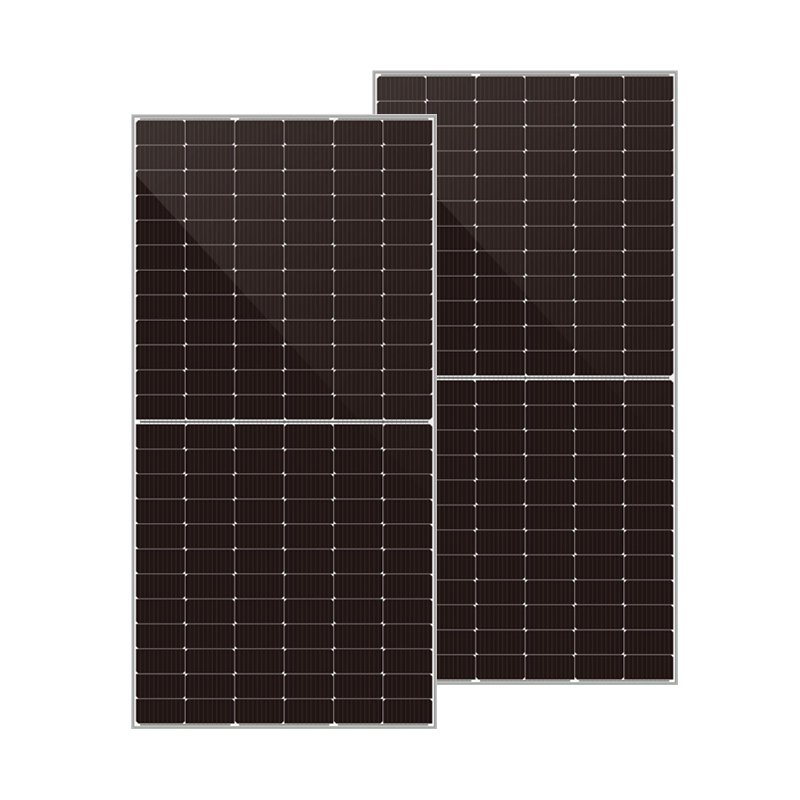
As the world increasingly turns towards renewable energy sources, solar power continues to shine brightly as a leading solution to global energy shortages. The cost of solar panels has become a key focus in discussions about sustainable energy adoption. Today, many countries still face significant electricity shortages, especially in rural and underdeveloped areas where roads and streets remain dark after sunset. Solar power systems offer a viable, eco-friendly alternative to traditional energy sources, providing reliable illumination and power without the constraints of conventional grids.
---
### The Current Landscape of Solar Panel Costs
The price of a solar panel can vary widely depending on size, technology, and manufacturing quality. On average, a single solar panel suitable for residential or small commercial use costs between $150 and $350. Prices have steadily decreased over the past decade due to advances in photovoltaic technology and increased production scale. This decline has made solar energy systems more accessible to a broader range of consumers and businesses.
Despite improvements, initial installation costs—covering panels, inverters, batteries, and labor—can still be prohibitive for many communities struggling with energy poverty. Nonetheless, the long-term benefits of solar panels, including reduced electricity bills and the ability to generate off-grid power, have encouraged widespread adoption.
---
### Addressing Global Energy Shortages with Solar Solutions
One of the most pressing global challenges is energy access. According to the International Energy Agency, nearly 770 million people worldwide still lack access to electricity. Many of these populations live in remote or economically disadvantaged regions where extending the electrical grid is logistically difficult or economically unfeasible.
Solar power systems, particularly solar street lighting, are proving to be effective solutions. These systems utilize solar panels to harness sunlight during the day and store energy in batteries for nighttime use. They eliminate the need for extensive wiring or constant fuel supply, making them ideal for off-grid areas.
---
### Innovative Companies Leading the Way
Among the notable manufacturers contributing to this renewable energy transition is a professional solar products provider specializing in solar power systems, energy storage, solar panels, lithium and gel batteries, and inverters. This company notably began by producing street lighting poles and quickly established a strong presence in the solar street lighting market.
Their portfolio includes comprehensive solar solutions designed to combat electricity shortages by illuminating roads and public spaces. With many countries facing the challenge of dark and unsafe streets due to lack of power, their solar street lights serve critical social functions. They improve safety, enable nighttime economic activities, and reduce dependence on unreliable or polluting energy sources.
---
### Integrating Solar Panels with Energy Storage Systems
A key feature of modern solar power systems is the integration of energy storage. Batteries—such as lithium-ion and gelled types—play a pivotal role in ensuring consistent power availability even when sunlight is scarce or during nighttime hours. While solar panels generate electricity, energy storage systems manage supply and demand, stabilizing power use and increasing system reliability.
By combining high-quality solar panels with advanced batteries and inverters, these comprehensive solutions offer stable, scalable, and maintenance-friendly renewable energy setups. This integrated approach is vital for regions where power instability can hinder social and economic development.
---
### Benefits Beyond Electricity
The advantages of deploying solar power systems extend beyond just energy provision. Solar street lighting and solar-powered infrastructure contribute to environmental sustainability by reducing reliance on fossil fuels and decreasing carbon emissions. They also empower communities by offering lighting in public spaces, which increases security, fosters social interaction, and supports local business growth after dark.
For governments and non-governmental organizations focused on rural development and climate resilience, solar technology represents a scalable and cost-effective approach to improving quality of life and promoting sustainable economic growth.
---
### Moving Forward: The Future of Solar Adoption
As technology advances and production costs continue to decline, solar panels will become even more affordable and efficient. Coupled with innovations in energy storage, smart grid integration, and government incentives, solar power is set to take a central role in the global energy transition.
The ongoing commitment of specialized manufacturers and exporters to developing reliable solar systems tailored to the needs of underserved areas will be crucial. Their expertise in solar street lighting and energy storage helps bridge the energy access gap, making once-dark roads safe and vibrant with light.
---
### Conclusion
The cost of solar panels, while an important consideration, is increasingly outweighed by the long-term social, economic, and environmental benefits solar technologies provide. Through innovative products and solutions, companies that started with humble beginnings in street lighting poles are now at the forefront of addressing global energy shortages.
By enabling affordable and reliable access to electricity in remote and underdeveloped regions, solar power systems have the potential to transform lives, foster development, and support a sustainable future for millions worldwide. The journey towards universal energy access is illuminated—both literally and metaphorically—by the advancing power of solar technology.