
In today’s world, the need for sustainable and affordable energy solutions has never been greater. With increasing electricity costs and the growing awareness of environmental impacts caused by fossil fuels, homeowners are turning their attention to renewable energy alternatives. Among these, DIY solar panels for home use have emerged as a popular and practical option, enabling individuals to harness the power of the sun and reduce their dependence on conventional energy sources.
**The Rising Demand for DIY Solar Panels**
The concept of DIY solar panels for residential use appeals to many because of its affordability, ease of installation, and long-term benefits. Unlike traditional solar power installations that often require professional expertise, DIY solar kits are designed to be accessible for homeowners, even those with limited technical skills. This democratization of solar energy technology allows more people to participate in the renewable energy movement, promoting environmental sustainability and energy autonomy.
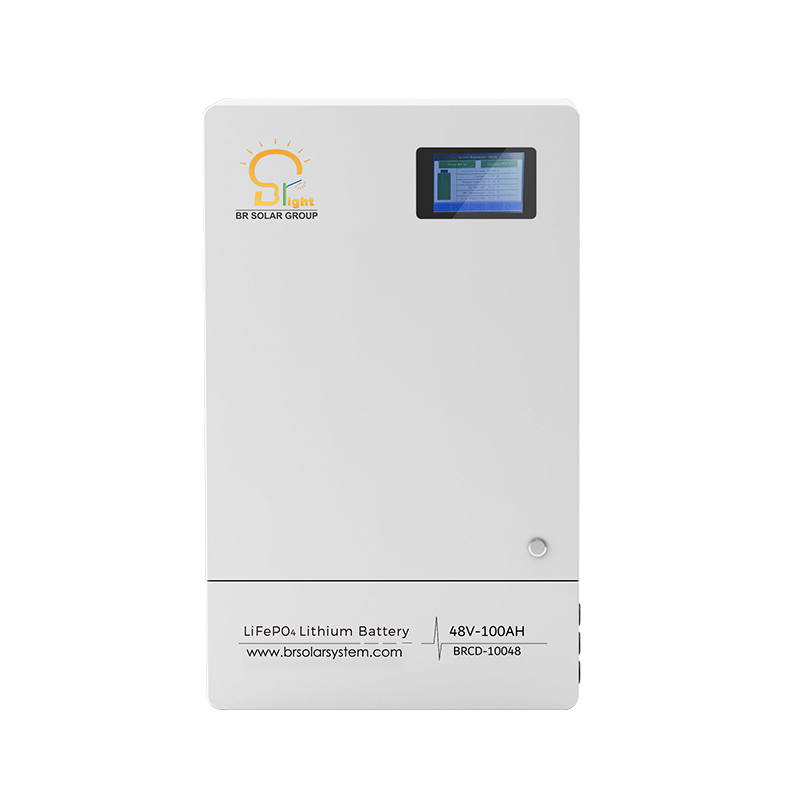
DIY solar panel systems typically include photovoltaic panels, inverters, mounting hardware, and optional energy storage components such as batteries. By installing these systems, homeowners can generate their own electricity to power lights, appliances, and other electrical devices. In some cases, surplus energy produced can be fed back into the grid, providing further financial benefits.
**The Global Context: Addressing Energy Access Gaps**
Globally, many regions continue to struggle with unreliable or insufficient electricity supply. Dark roads, inadequate lighting, and power outages are common challenges, especially in developing countries. Solar power offers a practical solution to these problems due to its scalability, low operating costs, and ability to function in remote areas without extensive infrastructure.
Solar street lighting has become increasingly popular in various parts of the world, enhancing safety and extending productive hours after sunset. Such initiatives highlight the transformative potential of solar energy, not only for individual homes but for entire communities.
**A Manufacturer’s Journey: From Solar Street Lighting to Home Energy Systems**
A notable example of a company evolving alongside the solar industry’s growth is a professional manufacturer and exporter specializing in solar power systems, energy storage solutions, photovoltaic panels, lithium and gelled batteries, and inverters. This company initially focused on solar street lighting poles, gaining significant market success by addressing the critical need for well-lit public spaces in electricity-deficient areas. Their innovation helped illuminate roads and improve security in communities where grid electricity was either unavailable or unreliable.
Building on this expertise, the company expanded its product range to include comprehensive solar home systems. By leveraging their deep understanding of solar technology and energy storage, they have been able to offer reliable DIY solar panel kits tailored for residential use. These kits not only provide clean energy but also integrate advanced battery technologies, enabling continuous power supply even during cloudy days or nighttime.
**Advantages of DIY Solar Panels for Home Use**
1. **Cost Savings**: Installing DIY solar panels can significantly reduce monthly electricity bills. Although the initial investment requires careful consideration, many homeowners find that the payback period is reasonable given the long lifespan of solar panels.
2. **Energy Independence**: Owning a solar power system empowers homeowners by decreasing their reliance on external energy providers and protecting them from fluctuating energy prices.
3. **Environmental Benefits**: Solar energy is a clean, renewable resource that helps reduce greenhouse gas emissions and dependence on fossil fuels, contributing to global efforts against climate change.
4. **Flexibility and Scalability**: DIY systems can be customized and expanded over time to meet growing energy demands or incorporate newer technologies.
5. **Educational Value**: The hands-on nature of DIY solar projects fosters a greater understanding of renewable energy mechanics, encouraging more sustainable lifestyle choices.
**Challenges and Considerations for Homeowners**
While DIY solar panels offer numerous advantages, potential users should be aware of certain challenges:
- **Technical Knowledge**: Although many kits are designed for ease of installation, some familiarity with electrical systems and tools is beneficial.
- **Permits and Regulations**: Homeowners must comply with local codes and obtain necessary permissions for solar panel installations.
- **Maintenance**: Like any electrical equipment, solar panels and batteries require periodic checks to ensure optimal performance.
- **Initial Investment**: The upfront cost can be a barrier, although decreasing prices and government incentives help alleviate this issue.
**The Future of DIY Solar Panels in Residential Energy Solutions**
The market for DIY solar panels continues to grow, driven by technological advancements, increased awareness, and supportive policies. Integration with smart home devices and energy management systems is expected to enhance user experience and system efficiency. Furthermore, innovations in battery technology promise longer storage duration and faster charging, making solar energy a more viable primary power source.
Companies that began by addressing public lighting needs have transformed the landscape by providing accessible, affordable solar home energy solutions. Their comprehensive expertise in solar modules, inverters, and energy storage positions them well to meet the emerging demands of residential consumers.
**Conclusion**
DIY solar panels represent a significant step toward achieving sustainable, affordable, and independent energy for homeowners worldwide. They offer practical benefits that include cost savings, environmental protection, and increased energy autonomy. By building on the successes of solar street lighting and leveraging advances in battery technology, manufacturers have made solar home systems more accessible than ever before.
As energy challenges persist globally, especially in under-electrified regions, expanding the adoption of DIY solar panels can play a crucial role in improving living standards and fostering greener communities. For homeowners interested in joining the renewable energy movement, exploring DIY solar panels for home remains a promising and rewarding endeavor.